Table Of Content
However, pools often contain chlorine and other chemicals to ensure it is clean and sanitary. These chemicals have a tendency to dry out your strands of hair and make your hair follicles brittle. This slows down hair growth and hair that does grow is typically very brittle. A common mistake that people make is avoiding shampooing their hair frequently, assuming it will protect their hair from damage. However, research shows that decreased wash frequency can lead to the accumulation of sebum on the scalp. Frequent washing with a good-quality shampoo will not harm the hair, and there is no limit to how often you can wash your hair if a conditioner is used regularly.
Jupiter Balancing Shampoo
Hair growth is not considered essential for survival and therefore considered an elective process in the body. It is important to make sure that you eat a healthy diet with an adequate amount of nutrients needed for proper hair growth. Just because you have grey hair doesn’t mean that your highlighting days are over. Grey hair can indeed be highlighted, and the goal is to blend the silver locks with the lighter color of the other strands of hair. No, we’re not talking about the color; we’re talking about the room you’re working in.
What determines how often you should wash your hair?
"Many of my clients are disappointed with hair products because eight out of 10 people do not assess their hair type properly when buying products." Use at least 3 times a week and even use it every day to keep dandruff away and your hair looking great. That’s because other shampoos and conditioners can remove the anti-dandruff actives left on your scalp, reducing their effectiveness. Below we rounded up shampoos and conditioners recommended by experts to keep your locks clean and healthy. While washing your hair may seem like second nature, there are a few common mistakes that you might be making that could affect how your hair looks and feels. When shampooing, Bertucci says that you really want to focus on the scalp, "you don't need to pull it through your mids and ends because it will be washed out that way."
Is it okay to wash your hair once a week?
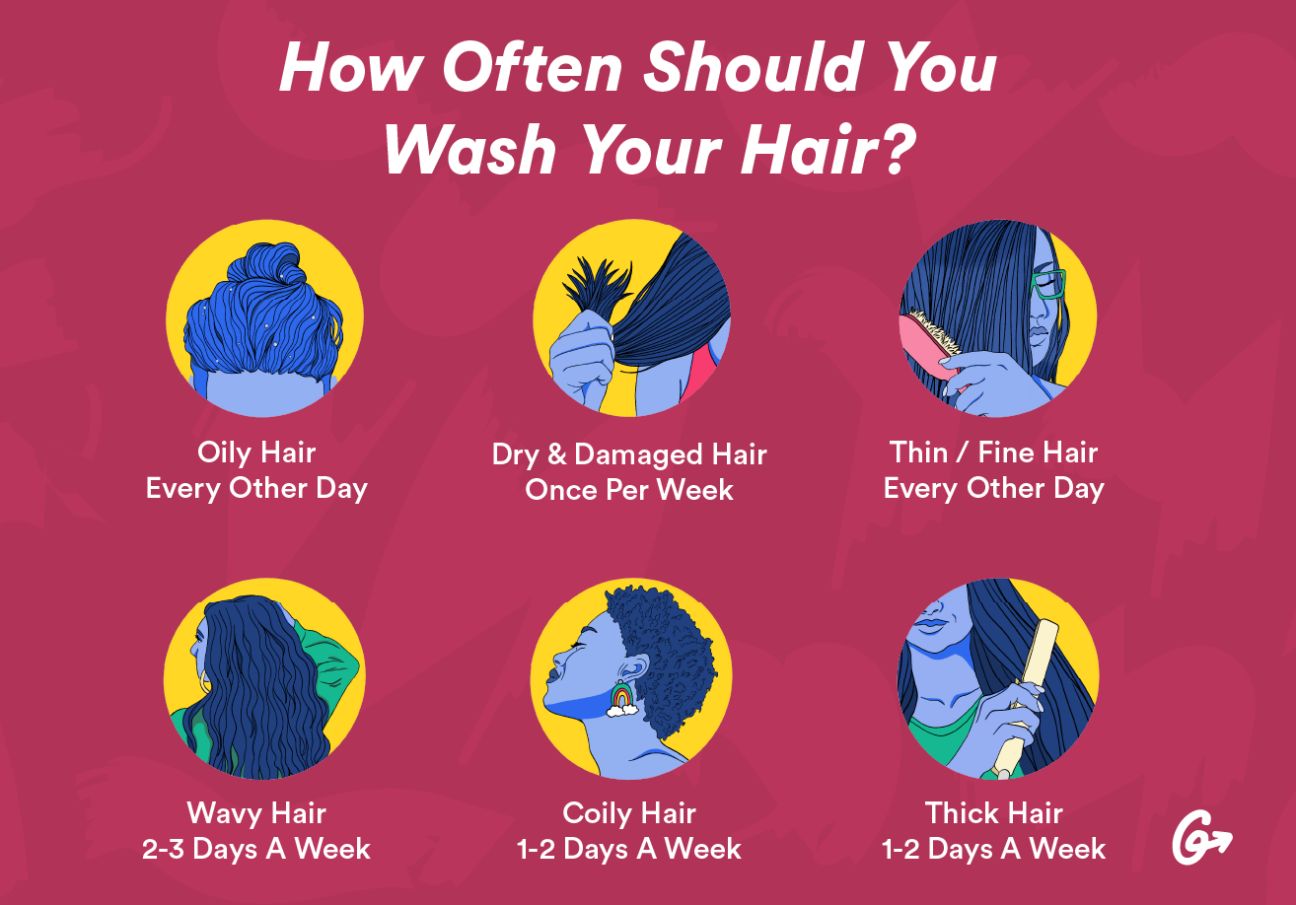
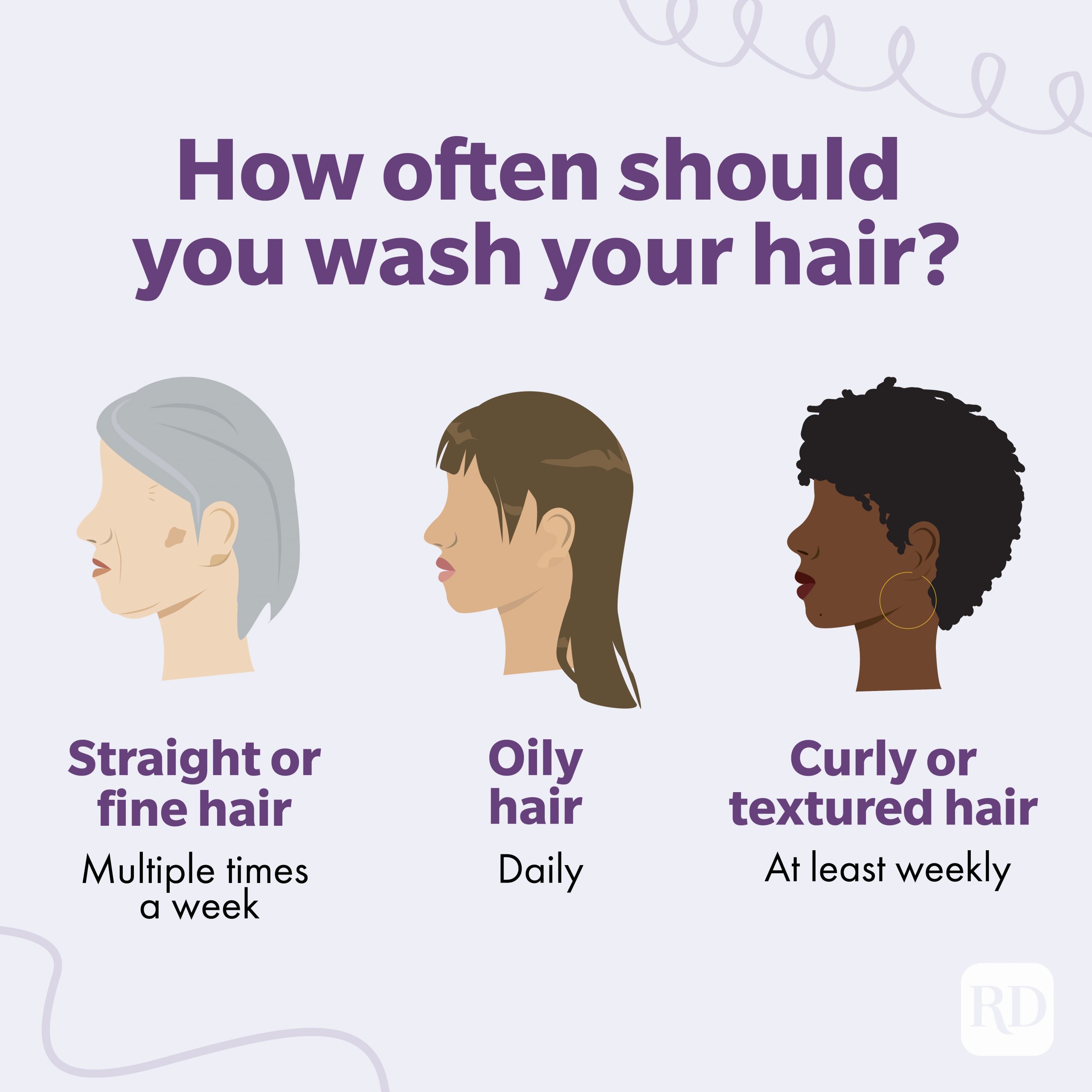
"Curly hair tends to be more amenable to less frequent washing because it tends to be drier than straight hair," Dr. Camp adds. "It is thought that it is more difficult for oils to coat the length of curly hair than straight hair." Textured hair that is naturally more kinky or coily in its curl pattern is known to need a lot of moisture. The natural sebum your scalp produces can actually be of service to textured strands. Although textured hair can stretch their shampoos to last longer than other hair types, it yet again does not excuse attention to scalp care and the need for recurring treatments. "The frequency with which to use shampoo and condition varies from person to person based on their particular scalp skin and hair type," says board-certified dermatologist, Brendan Camp.
Oil glands, also called sebaceous glands, are only present in your scalp. This oil (or sebum) needs to make it all the way down each hair strand to the ends in order to moisturize it. On the flip side, women after menopause have a decrease in androgens, which leads to less oil production. Reducing your caloric intake is great if you are trying to lose weight. However, if your exercise routine is consuming all the nutrients in the body, and they aren't being replenished, it can lead to nutrient deficiencies. When your body is experiencing a nutrient deficiency, it allocates nutrients to the most essential systems first.
How often to shampoo your hair
Before applying the shampoo to your hair, mix it with a little water in the palm of your hand. “This way you’ll reduce the direct impact of the shampoo on your scalp and reduce product consumption,” Davis says. "And that can lead to the buildup of dead skin and oil residue on the scalp, which can lead to dermatitis or dandruff, and be quite uncomfortable and itchy," she says. "We oftentimes think about shampooing as being beneficial for the hair. But we forget that we also have to address the scalp as well," says Dr. Davis.
Your body’s response to the removal of the oil is to produce more oil in order to replenish the hair. This leads many shampoo users to wash their hair daily to keep from having hair that appears to be very greasy or oily. This sweat can build-up on your scalp, which clogs your hair follicles. This build-up of sweat inhibits the hair follicles from being able to produce normal, healthy strands of hair. Washing your hair and scalp following an exercise session will help to clean the hair follicles and allow for normal hair growth.
So it's incredibly important that we're taking care of our scalp and getting rid of all of those products, dead skin, and oil build up regularly. If you have oily hair, it's okay to wash it daily if you use a mild shampoo—and a good conditioner after every wash. Rubin recommends those with oily hair look for a shampoo without heavy oils, like SEEN Shampoo ($29). "After shampooing, your other hair care steps can help address specific concerns," says Rubin. "Those with oily scalps can opt for a lightweight conditioner."

Hair Training TikTok Trend For Not Washing Is A Problem - Refinery29
Hair Training TikTok Trend For Not Washing Is A Problem.
Posted: Mon, 23 Oct 2023 07:00:00 GMT [source]
Using water that’s too hot can make your hair dry and frizzy, eventually causing damage. If your hair feels soft and lubricated, but not oily, in the middle of the day, you’re likely washing your locks the right amount. For most people, there is no medical need to shampoo at all, as rinsing with water can remove dirt and dandruff.
"Those with oily hair or dandruff may find that it is important to wash more frequently, while those with dry or thicker hair may not need to do it as often," adds Dr. Garshick. How often you shampoo your hair really depends on you and your hair. "There are no strict rules about how often you should wash your hair," says dermatologist Iris Rubin. "Many factors come into play, including how oily your scalp is, your hair type, and if you engage in strenuous exercise that causes you to sweat (and in turn requires more frequent washing)."
This is why longer hair often gets dry — it’s more challenging to keep the ends moisturized. Depending on your age, the oil glands in your scalp will be more or less active. It should come as no surprise to anyone that we are pretty dehydrated on a regular basis. Your body isn’t going to “behave” when it’s in a state of dehydration, so try and get more water into your body whenever possible.
Basically, there’s no right or wrong answer for how often you should wash your hair. Instead, you should base your wash-day schedule off of, say, whether you have dandruff or dry scalp, or if you tend to load up on styling products every day. And to help you figure it out, I consulted with dermatologist Iris Rubin, MD, and hairstylist Miles Jeffries for all the details on washing your hair, plus some helpful tips on the best shampoos to use based on your hair type. Fine waves and loose curls can get weighed down easily from product buildup, especially if you’re loading up curly-hair products rich in butters and oils.
If you don’t pick the right shampoo, you might end up doing more damage to your hair than good. That’s why, if you truly want to do what’s best for your scalp and your hair, there are a few things you’ll want to pay attention to. There’s a little more to it than wetting your hair, lathering up with shampoo, rinsing, and repeating with conditioner — especially if you want optimal results.
How often a person’s hair needs washing can depend on several factors, such as what is in their hair. “For these men I recommend washing every other night, as freshly washed hair that is less weighed down by grease and dirt gives the illusion of more volume,” Bard suggests. “Thinner hair is more delicate and will likely like do well over-washing [meaning taking the every other day approach] but also tends to look greasier faster. "Every other day is ok too if that's what the individual's oil production calls for,” she says.
Like we said before, there is no one-size-fits-all approach to hair care. According to Dr. Murphy-Rose, over-washing hair can cause it to become dry, brittle, damaged, and dull, while under-washing can cause an unwanted boost in sebum. "If you under-wash, oil, debris, and odor builds up on the hair and scalp, so your hair may appear greasy. This leads to the scalp developing microorganism overgrowth," she explains.




No comments:
Post a Comment